Roof Repairs vs. Roof Replacement in Texas: How to Know What Your Home Needs
A guide to knowing whether your Texas home needs roof repairs or replacement. Assess damage, age, and costs for informed decisions.
n Texas especially in areas like The Woodlands, Spring, Conroe, and North Houston your roof takes a beating year‑round. From intense sun and heat to strong winds, hailstorms, and heavy rain, roofing systems in Southeast Texas experience more stress than in many other parts of the country.
One of the most common questions homeowners ask is whether they should repair their roof or replace it entirely. The right answer depends on the age of the roof, the type of damage, and whether repairs will truly protect your home long‑term.
This guide will help you understand when roof repairs make sense and when it’s time to consider a full roof replacement specifically for Texas homes.
When Roof Repairs Make Sense in Texas
Roof repairs are often the right solution when damage is minor, localized, or caught early. Acting quickly is especially important in Texas, where small issues can turn into major leaks during the next storm.
1. Minor or Isolated Wind Damage
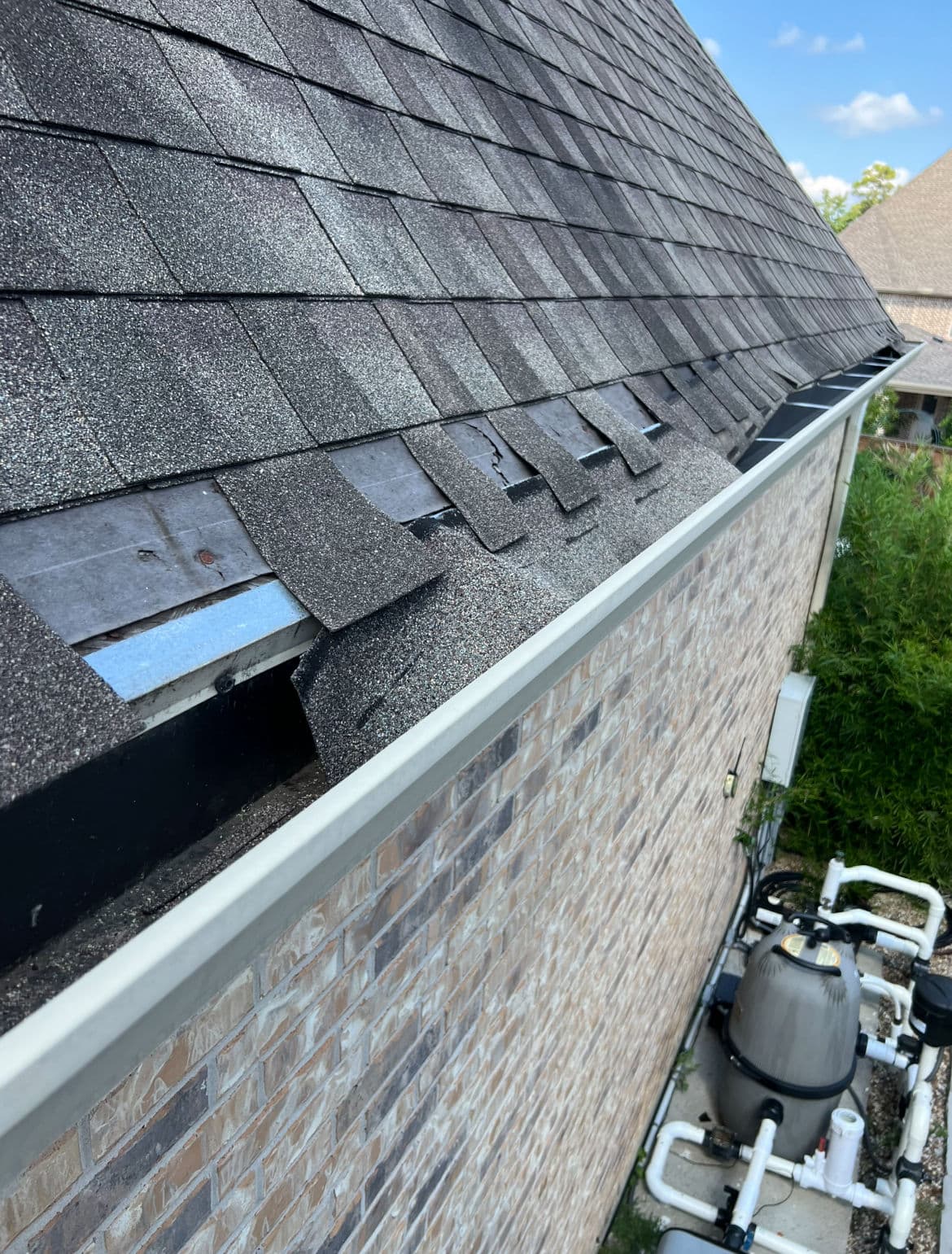
High winds are common in The Woodlands and surrounding areas. If only a small section of your roof is affected, repairs are usually sufficient. Examples include: A few missing or lifted shingles from wind Creased or displaced shingles on one slope Loose flashing around chimneys, walls, or vents
When the rest of the roof is in good condition, these repairs can restore performance without the cost of a full replacement.
2. Newer Roofs (Typically Under 10–12 Years Old)
If your asphalt shingle roof is relatively new and was properly installed, repairs are often the most cost‑effective option. Many roofs in The Woodlands are well within their lifespan but still experience storm‑related damage that can be repaired successfully.
3. Localized Storm Damage
Texas storms don’t always damage an entire roof evenly. Sometimes one slope takes the brunt of the wind or hail. In these cases, targeted repairs may be appropriate especially if matching shingles are still available.
4. Preventive Maintenance and Small Leaks
Small leaks caused by exposed nail heads, failed sealant, or aging vent boots are common in hot Texas climates. Addressing these issues early can prevent interior damage and extend the life of your roof.
When It’s Time for a Roof Replacement
Shingles Become Too Brittle to Repair
One of the most overlooked factors when deciding between roof repair and roof replacement is shingle brittleness due to age. As asphalt shingles age especially under the intense Texas sun they lose flexibility. Over time, heat and UV exposure dry out the asphalt, causing shingles to become stiff and fragile.
When shingles reach this stage, attempting repairs can actually cause more damage than good. In many cases, shingles cannot be lifted to replace a damaged piece without cracking or breaking the surrounding shingles. What starts as a small repair often turns into multiple damaged shingles around the repair area.
This is especially common on older roofs in The Woodlands and surrounding areas, where prolonged heat accelerates aging. Even experienced roofers may be unable to make clean, isolated repairs once shingles become brittle.
If your roof shows signs of brittleness such as cracking when touched, snapping during inspection, or widespread granule loss replacement is usually the safer and more cost-effective solution. Repairs on brittle shingles tend to be short-lived and may lead to recurring leaks or additional damage after the next storm.
In these situations, a full roof replacement ensures the entire system is watertight, properly sealed, and built to withstand future Texas weather.
While repairs can solve many problems, there comes a point where replacement is the smarter and safer option particularly in storm‑prone areas like Montgomery County.
1. Roof Age and Overall Wear
Most asphalt shingle roofs in Texas last 15–25 years, depending on ventilation, material quality, and sun exposure. If your roof is nearing the end of that range, repairs may only provide temporary relief.
Signs your roof may be aging out include Brittle, cracked, or curling shingles Excessive granule loss in gutters Consistent wear across multiple slopes
2. Widespread Wind or Hail Damage
If damage is present across most of the roof, spot repairs may no longer be effective. Insurance carriers often recommend replacement when damage is widespread, and repairs would not restore the roof to its pre‑loss condition.
3. Ongoing or Repeated Leaks
If you’ve repaired your roof multiple times and leaks continue to return, it’s usually a sign of deeper system failure. Replacing the roof can prevent further interior damage, mold growth, and structural issues.
4. Insurance Claim Situations
In Texas, many roof replacements are the result of wind or hail claims. When damage meets insurance thresholds, a full replacement may be approved especially if repairs would compromise performance or longevity.
Cost Considerations: Repair vs. Replacement
Repairs are typically less expensive upfront, but repeated repairs can add up quickly. In many cases, homeowners who delay replacement end up spending more over time.
A roof replacement can offer: Long‑term protection Manufacturer warranties Improved ventilation and energy efficiency Increased home value and curb appeal
How to Know What Your Roof Really Needs
Every roof is different, and the best way to decide between repair and replacement is with a professional roof inspection. An experienced local contractor understands Texas weather patterns, insurance requirements, and local building standards.
They can evaluate: Roof age and condition Extent of wind or hail damage Whether repairs will hold up long‑term Insurance documentation, if applicable
Final Thoughts
Roof repairs are a great option for minor, localized damage especially on newer roofs. Roof replacement becomes the better choice when damage is widespread, the roof is aging, or problems keep returning.
In Texas, it’s always best to have a professional take a look at your roof rather than guessing from the ground. Catching issues early can save thousands and prevent major headaches.
Schedule a Professional Roof Inspection
If you’re located in The Woodlands or surrounding areas, and you’re unsure whether your roof needs repairs or replacement, it’s best to have an expert take a look.
📞 Call: 832‑364‑4105
📧 Email: Remy@RemysRoofing.com
A professional inspection can give you clear answers and help you make the right decision for your home.